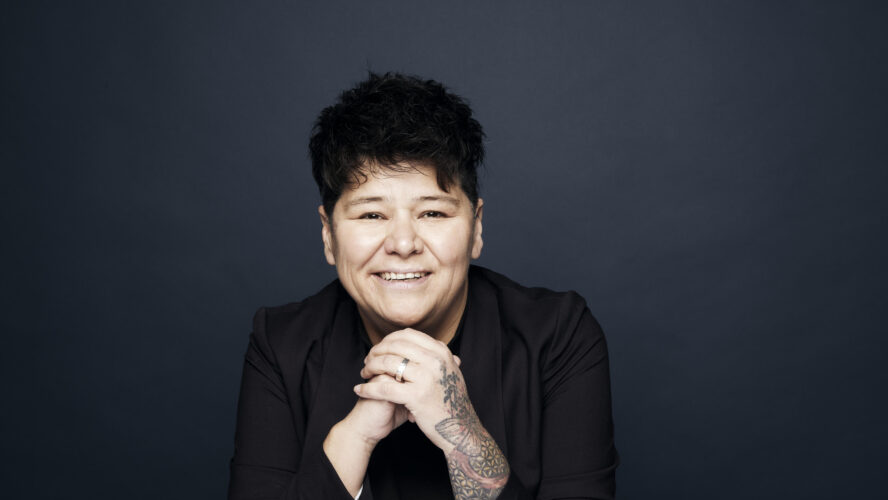
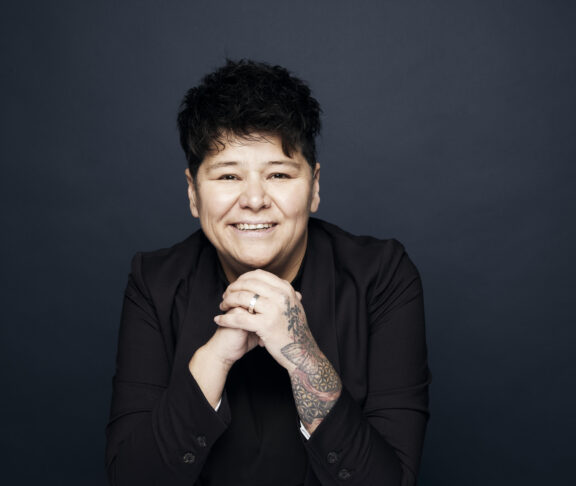
With a mission rooted in equity and innovation, Founder of Virtual Gurus – Bobbie Racette is proving that the next wave of tech is powered by empathy, adaptability, and purpose.
You’ve built Virtual Gurus into a thriving tech platform – what inspired you to start it?
I started Virtual Gurus out of necessity. As an Indigenous, queer woman with tattoos and a non-traditional background, I struggled to find meaningful work — not because I lacked skills, but because the system wasn’t built for someone like me. I created Virtual Gurus to build the kind of opportunity I couldn’t find, and in doing so, realized I could create that same opportunity for thousands of others who’ve been overlooked. That mission still fuels everything we do today.
As an entrepreneur who is also an indigenous LGBTQ+ woman in tech. What changes do you hope to see in terms of representation in STEM fields?
For too long, people like me have had to carve out space where there wasn’t any, often navigating systems that weren’t built with us in mind. One of the biggest barriers is early access and exposure to marginalized individuals in STEM careers, particularly in more senior roles.
I hope to see more Indigenous youth – especially girls, Two-Spirit, and LGBTQ+ youth see themselves reflected in the people building and leading in tech. That means more mentorship, more visibility, and more intentional pathways that support our communities into STEM careers and leadership roles. Especially since we still see a lack of culturally aware STEM education, especially in Indigenous communities.
But it’s not just about getting in the room, it’s about reshaping the room. Because there is a systemic issue at play here: people don’t thrive or succeed in spaces where they don’t feel safe or seen. I want to see companies investing in inclusive environments where diverse voices aren’t just heard, they’re valued and empowered to lead innovation. True representation means equitable opportunity, access to capital, culturally aware education, and space to lead authentically —- without having to code-switch or conform.
What advice would you give to young women or marginalized people who are unsure if they belong in STEM?
To any young women or marginalized folks wondering if you belong in STEM – let me say this clearly: you absolutely do. And not because you have to prove it to anyone.
You might feel out of place at times. I’ve been there. But the truth is, the industry is better because you’re in it. So take up space. Ask questions. Find mentors and communities that see you and support you. And most importantly, never shrink yourself to fit someone else’s idea of what a technologist or scientist looks like. Because belonging in STEM isn’t about fitting into traditional ideas of what that looks like, it is reshaping the industry. If you don’t see a place at the table, build your own. That’s what I did.
What are the top 3 technical or soft skills do you believe are becoming nonnegotiable for people entering STEM careers today?
- Adaptability to Change
Technology evolves fast. The ability to learn, unlearn, and stay ahead of the curve is crucial. Whether it’s new tools, frameworks, or trends like AI, adaptability is what keeps you relevant. This doesn’t mean knowing and understanding every tool that exists, it means being willing to evolve alongside them. - Collaborative Communication
STEM is a team sport — technical expertise is important, but STEM is really about solving real-world problems collaboratively. You don’t need to be the loudest voice in the room, but being able to communicate ideas clearly, listen actively, and work across functions is essential. Some of the best breakthroughs happen when diverse perspectives intersect. - Ethical and Inclusive Thinking
As we build technologies that shape society, we need people who lead with empathy and responsibility. Understanding the broader impact of your work — especially on underrepresented communities — is not just a “nice to have,” it’s a must. If your product, code, or design isn’t serving everyone? It’s not finished.
What qualities do you look for in someone joining your team — especially in tech Roles?
When hiring for tech roles, I look for people who are curious, adaptable, and driven by purpose. It’s important they’re not just technically skilled, but also collaborative and open to learning, especially in a fast-paced, evolving environment like ours. I value people who understand the impact of their work and who contribute to an inclusive, respectful team culture. Those qualities matter just as much, sometimes more, than what’s on a resume.
What’s one mistake early-career professionals in STEM should avoid?
One common mistake is thinking you need to have all the answers from day one. STEM is about continuous learning, don’t be afraid to ask questions, make mistakes, and grow. Staying curious and open will take you further than pretending to know it all. Silicon Valley normalized “Move fast and break things”. While this isn’t always the best path forward, the fearlessness of this belief is crucial. Innovation in STEM needs bold voices rooted in curious exploration.
What excites you the most about the future of Virtual Gurus?
What excites me most about the future of Virtual Gurus is the power we have to reshape the workforce by combining cutting-edge AI with underrepresented human talent. We’re not just building a tech platform, we’re creating economic opportunities for thousands of people who’ve been overlooked for too long. The impact we’re making is real, because the future of Virtual Gurus is bold, tech-enabled, and deeply human.
Explore how inclusive tech leadership is creating real pathways for the next generation of innovators.

